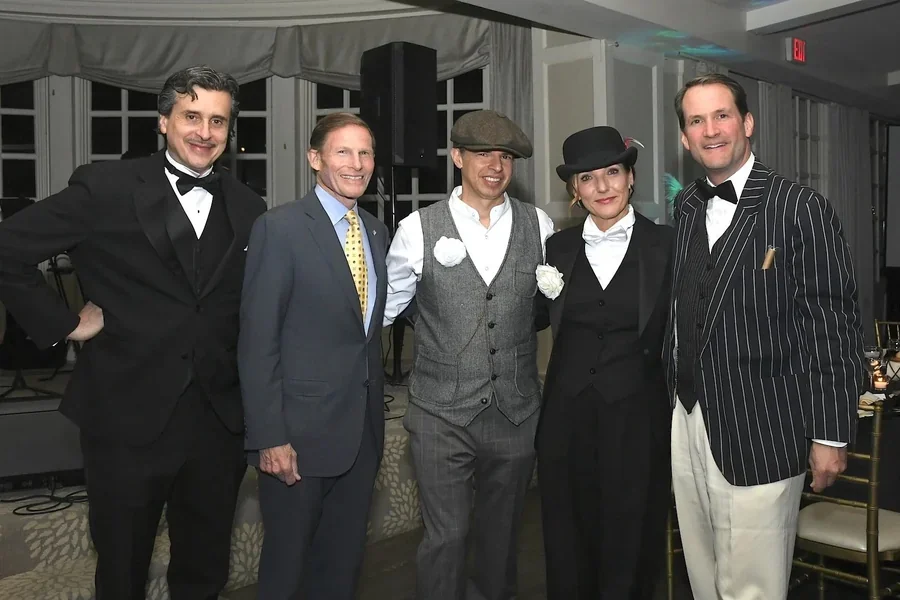
Great gatsby 1920s 20s mens fashion is one of the most representative and high-class periods in the history of the men fashion. The 20s were characterized by economic rise, jazz, and freedom that following the world war I brought along. Men ceased to dress traditionally, but rather dressed to demonstrate confidence, prosperity, and personalities. The great Gatsby has contributed much of the contemporary interest to this period with the smashing suits, lavish parties, and smooth gentlemen being the theme of this decade. It was not only clothing but the style of the time. It was a symbol of aspiration, beauty and a risk into the contemporary world.
The Cultural Shift That Shaped 1920s Menswear
The 20s was the time of the radical transformation of society and the fashion changed with it. The rigid and enigmatic Edwardian designs of the early 20 th century started to be lost. Men began to prefer their clothes to be more custom-made but comfortable and personality-filled. Night life was trendy and dressed properly was an indication of status and sociality which was more common in cities.
The rise of jazz music and glamorous social gatherings encouraged men to experiment with textures, colors, and patterns. Tailors averted the challenge by producing slimmer and more flattering suits. Rather than the stiff layers and design, the clothing started to move around the body in a more natural fashion. This change made men appear clean without being too rigid or limited.
Suits: The Foundation of Gatsby-Era Style
The 1920s great gatsby mens fashion was found in suits. The three-piece suit was particularly a favorite and it was a combination of trousers, jacket and a matching vest. Large trousers were common and they were worn with suspenders rather than belts. The pants were worn with bottom cuffs enabling the weight and structure to the image.
Jackets were also made shorter than they used to be in past decades with wide lapels that were boldly assertive. The single-breasted and the double-breasted designs were frequent. The suits which featured two breasts were associated with strength and sophistication, whereas one-breasted suits were neat and featured a little bit of casualness.
Fabrics played an important role. Grey was extensively worn in cooler seasons and light leggings of linen and cotton were more widely worn in summer. Patterns like pinstripes, windowpanes and tiny plaids were helpful in giving some personality to the outfit without overpowering the outfit. Suitable suits were usually worn by wealthy men, and those were cream or white, which was highly recognized as Gatsby-style fashion.
Shirts, Collars, and Ties
Shirts in the 1920s were crisp and structured. Many featured detachable collars, which could be removed for cleaning or replaced to change the look. The rounded edges of the collar made the club collar particularly popular, and it is one of the symbols of the fashion of Gatsby era even nowadays.
Belts also provided vibrancy and spark to plain clothes. Large striped silk ties and geometric designs were a trend. Bow ties were worn during formal and evening parties. Coordination was key. A man has chosen his tie well to match his suit and shirt and has made a well-balanced and presentable look.
White shirts were the most common, but soft pastels and subtle stripes also appeared in more fashionable circles. The general impression was well-meaning, natural, and elegant.
Footwear and Everyday Elegance
Shoes were also a necessary addition. The most popular type of formal wear was the Oxford shoes. A popular fashion item in the decade was two-tone spectator shoes usually made of brown and white leather. These were the shoes that were representative of the carefree fun of the Jazz Age.
Polished leather was a must. Men were proud of keeping their shoes clean because battered shoes can spoil an otherwise perfect dress. The loafers and lace-up boots also were donned, however, still looked clean and elegant in the casual settings.
The ensemble was also enhanced with accessories. Vest chains had pocket watches which were useful and fashionable. Patterned socks, tie bars and cufflinks were paid attention to. On the one hand, hats were practically always worn out of doors, fedoras, newsboy caps, and straw boaters being the fashionable ones according to season and occasion.
Evening Wear and Formal Occasions
Even more sophisticated were formal events that happened in the 1920s. Black tie dress was usually a black tuxedo jacket that had satin lapels, white dress shirt and black bow tie. Shoes made of patent leather were the finishing touch.
White dinner jackets were popular among the high society especially in summer evenings. These were lighter jackets that however did not have to be sacrificed in elegance. Evening wear was aimed at showing confidence and sophistication regardless of whether one is going to a fancy event or a fancy dinner.
The formal attire with its clean lines, sharp tailoring, and subdued luxury was the highest-class image of the time. This refined type of style was one to be aped even by men of modulous income.
Colors, Fabrics, and Patterns
Although dark navy and charcoal were still a must, the 1920s brought in the light colors and higher tones. Light grays, tans, creams and browns were popular. Pastel shirts and patterned ties added vibrancy to outfits.
Tweed suits were particularly suitable on a daytime and country wear. Pinstripes were authoritative and they were worn in business settings. Checks and plaids were a more casual and yet, stylish alternative.
The texture of fabric was also as important as color. A smooth worsted wool also gave it a smooth finish and a textured tweed depth. Seasonal variation was important, with heavier fabrics worn in winter and breathable materials preferred in summer.
Grooming and Personal Presentation
Grooming was very much considered by men of the 1920s. Hair was also kept short and smoothed back with pomade. The most common one was clean-shaven face but well trimmed mustaches were also observed. Individual appearance was included in general style.
A gentleman was not simply defined by the way he was dressed. Pose, dignity and etiquette topped it off. The suit was also a perfect fit with smooth shoes and a clean cut appearance to make a statement of ambition and authority.
How to Wear 1920s Style Today
Thematic parties, weddings and formalities 1920s menswear is still popular in the modern world. In order to avoid the appearance of a costume to seize the spirit, pay attention to custom-fitting and minor details. Select a three-piece suit in an old fashioned color like navy blue or gray. Or add a patterned tie or a pocket square to add character.
Suspense can be attached to high-waisted trousers to make them look like the real ones. Oxford shoes made of leather and fedora do not come out as overly elaborated. The key is balance. Be minimal with the silhouette and not too much accessorizing.
Adding vintage to a new wardrobe will help you to be more Gatsby-esque, and still be relevant today. This is attestable by the enduring popularity of this period which goes to show that classic tailoring never really goes out of fashion.
FAQs
What defined roaring 20’s great gatsby 1920s mens fashion?
It was defined by tailored three-piece suits, high-waisted trousers, bold lapels, polished shoes, and refined accessories that reflected confidence and sophistication.
Why were three-piece suits so popular in the 1920s?
Three-piece suits provided structure, elegance, and versatility, making them suitable for both business and social occasions.
What shoes did men wear during the 1920s?
Men commonly wore polished Oxford shoes and two-tone spectator shoes for both formal and semi-formal events.
Did men always wear hats in the 1920s?
Yes, most men wore hats such as fedoras, newsboy caps, or straw boaters whenever they went outdoors.